
Service Area · Hawkesbury
Mould Removal in Richmond NSW
Flood-prone river flats, cold valley mornings and a lot of older weatherboard. Hawkesbury mould jobs need proper drying and honest reporting — that's the work we do here.
Richmond sits on the Hawkesbury floodplain, and no honest discussion of mould here can start anywhere else. The river has repeatedly gone over its banks across Richmond, North Richmond, Windsor, Pitt Town and Freemans Reach, and every one of those events leaves a long tail of mould jobs that appear weeks or months after the water goes down. Floodwater is category three — it carries soil, sewage and contaminants — and any porous material it touched cannot simply be dried and kept.
Even without flooding, the Hawkesbury has a distinct moisture climate. The valley holds cold air overnight and fog is common through the cooler months, so surfaces stay below dew point for hours after sunrise. Summer brings genuine humidity from the river flats and the market gardens. The result is a lot of surface condensation on masonry and single-glazed windows, and a lot of subfloor moisture in raised homes.
The buildings themselves add to it: weatherboard and fibro cottages on stumps, heritage brick along Windsor Street and the older parts of town, rural properties with sheds, granny flats and tank plumbing, and newer estates around Richmond Lowlands and Clarendon built on ground that doesn't drain quickly. We've been working in this area for over twenty years and we treat flood-affected and non-flood mould quite differently, because they are different problems.
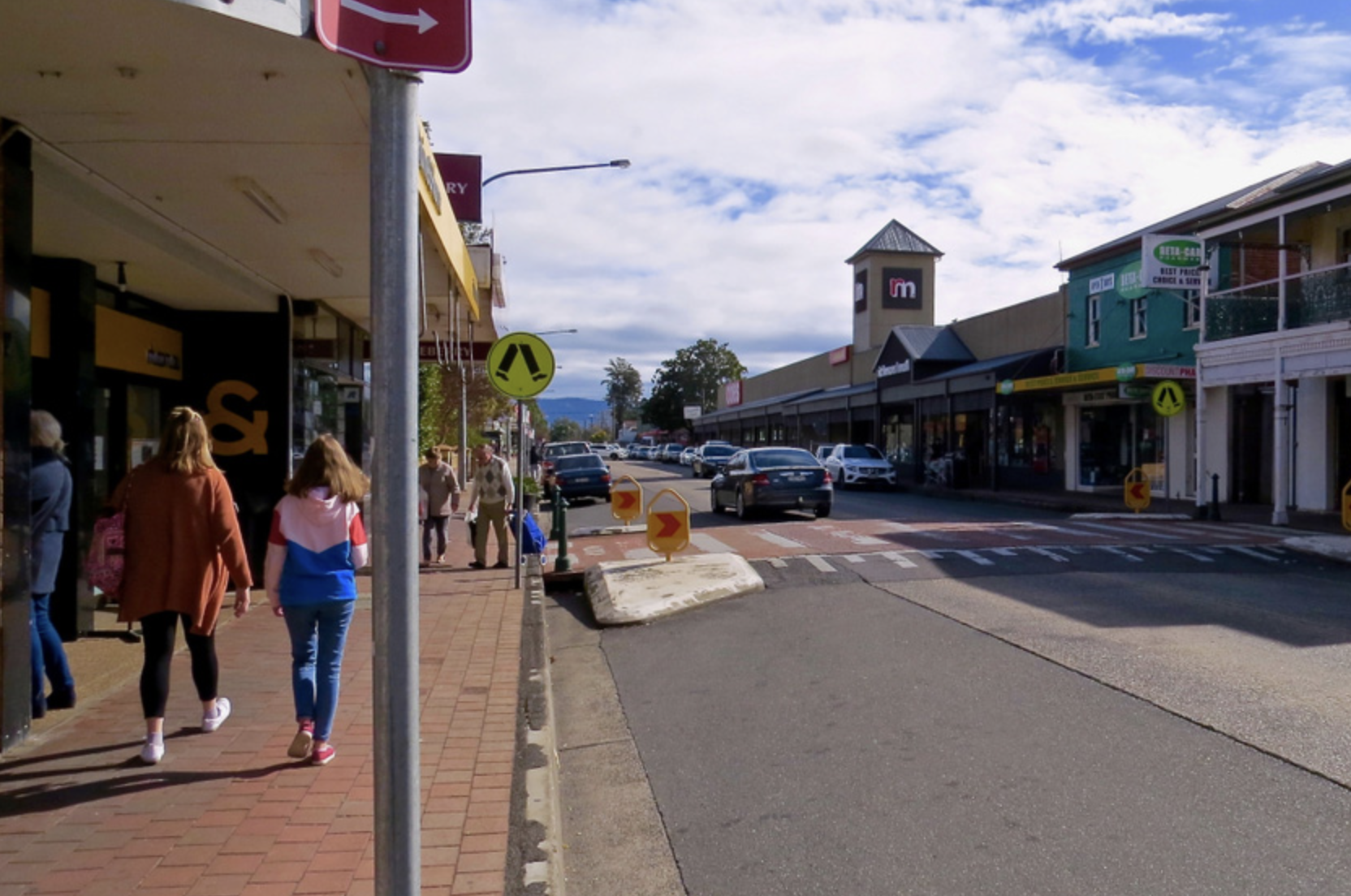
The mould problems we see across the Hawkesbury
Richmond jobs tend to fall into three groups: flood recovery, cold-climate condensation and subfloor moisture in raised timber homes.
- Wall cavity mould in flood-affected homes where plasterboard was dried in place rather than cut out above the water line
- Subfloor mould in weatherboard and fibro cottages on stumps, where vents are blocked by garden beds, decks or stored materials
- Condensation on single-glazed windows and cold external walls through the winter fog months, producing mould on reveals and sills
- Insulation batts that stayed wet after a roof leak or storm, keeping the ceiling damp long after the surface looked dry
- Sheds, garages, stables and outbuildings on rural properties with earth floors and no cross-ventilation
- Rental properties where a tenant reports mould and the underlying cause is subfloor damp or a failed shower rather than ventilation habits
- Rainwater tank overflow and stormwater discharging beside the house, saturating the ground against the footings
Flood and water-damage remediation done properly
After a Hawkesbury flood the sequence matters more than the products. Materials that took contaminated water — plasterboard, insulation, particleboard, carpet and underlay, chipboard joinery — are removed under containment to a defined height above the water line, because the wick point sits well above the visible tide mark.
The frame and slab are then cleaned, treated and dried with commercial equipment while we monitor moisture readings daily. Timber framing that reads high will keep growing mould behind new lining no matter how good the new plasterboard is, so we don't sign off until readings are within range and documented.
For non-flood jobs the process is the same shape at a smaller scale. We inspect with a moisture meter and thermal imaging camera to locate the source, provide a written fixed-price scope, contain the area, treat and remove growth from non-porous surfaces, remove compromised porous materials, dry any active moisture and then fix the driver — subfloor ventilation, exhaust ducting to outside, drainage away from the footings, or a written defect report for the trade responsible.
You get a completion report with photographs and moisture readings, and a written 12-month workmanship warranty. Quotes are same day, and for most standard residential jobs in Richmond and surrounds same-day treatment is available.
Homes, rentals, farms and commercial premises
Homeowners in Richmond usually call after a wet season or a flood event, or because a bedroom on the southern side of the house has started to smell. In older raised cottages the answer is very often under the floor rather than in the room.
Landlords and property managers across the Hawkesbury deal with a recurring argument: is the mould a building fault or a lifestyle issue? Our reports answer that with moisture data rather than opinion, which is what makes them useful in tenancy disputes and at NCAT.
Rural and semi-rural properties around Richmond Lowlands, Freemans Reach and Grose Vale have their own issues — outbuildings, machinery sheds, stables and self-contained flats that sit unheated and unventilated for long periods. Treating those is usually about airflow and moisture management as much as remediation.
Commercial clients here include cafés and shops along Windsor Street, medical and veterinary practices, childcare centres and light industrial premises. We work around your hours and keep containment tight.
For insurance, and particularly for flood claims, documentation is everything. We provide cause of damage, affected materials, moisture readings, photographs and a costed remediation scope in the format insurers and loss adjusters require.
Why Hawkesbury property owners use us
We've worked through multiple Hawkesbury flood recoveries and we'll give you a straight answer about what has to come out and what can be saved.
- Free same-day quotes, including photo-based estimates for remote properties
- Same-day treatment available for most standard residential jobs
- Full structural drying with daily monitored readings, not a surface wipe-down
- Insurance-approved reports written for flood and water-damage claims
- 20+ years of remediation experience across Sydney and the Hawkesbury
- Written 12-month workmanship warranty on every treatment
Mould questions we get asked in Richmond
My house was flooded and it's been dried out. Why is mould appearing now?
Because drying the surface isn't the same as drying the structure. Water wicks up inside plasterboard and into framing well above the visible line, and if that material was left in place it stays damp inside the cavity for months. Mould then grows behind the lining and appears at skirtings, power points and cornice weeks later.
Do you service North Richmond, Windsor and the wider Hawkesbury?
Yes. We cover Richmond, North Richmond, Windsor, South Windsor, Clarendon, Freemans Reach, Pitt Town, Wilberforce, Glossodia, Grose Vale and Kurrajong, plus the rest of greater Sydney.
How far up the wall does plasterboard need to be removed after a flood?
It depends on the material and how long it was wet, and we determine it with moisture readings rather than a rule of thumb. It's always higher than the visible water line, because plasterboard wicks upward.
Why is my Richmond bedroom window mouldy every winter?
Valley fog and cold nights keep single glazing well below dew point overnight. Moisture from breathing, cooking and unflued heating condenses on the glass and timber reveal, and mould grows on the dust and paint. Ventilation, heating strategy and sometimes mechanical extraction are the fix.
Can you treat mould in a shed, stable or granny flat?
Yes. Outbuildings are common work for us out here. The treatment is straightforward; the durable part is improving cross-ventilation and stopping ground moisture entering, and we'll set that out in the report.
Will my insurer cover flood-related mould?
That depends on your policy and whether flood cover applies. Where mould follows a covered event, thorough documentation of the cause and the affected materials is what supports the claim, and that's exactly what our reports provide.
Book a free Richmond mould quote today
Send photos through the Quick Quote form for a same-day price, or book an onsite inspection. Same-day treatment is available for most standard jobs, every treatment is backed by our written 12-month workmanship warranty.
Explore
Other service areas
We also service North Richmond, Windsor, Clarendon, Freemans Reach, Wilberforce, Kurrajong and the wider Hawkesbury area.